AI
8 Gaps between generic AI and a purpose-built tender platform
ChatGPT and Claude draft fast but can't extract requirements, detect risks, or track versions. See 8 gaps a purpose-built tender platform closes.


A bid can lose before an evaluator reaches the price. Not because the offer was weak, but because somewhere in a large document set, a requirement went unread, a clause changed and one section was not updated, or a mandatory certificate was left out of the package.
Procurement specialists report the same pattern. Exclusion is usually caused by a preventable error rather than a lack of technical strength or commercial value.
This article sets out where those failure points come from, why they are easy to miss, and what it takes to close them.
Before an evaluator scores any of your methodology, the bid passes a compliance check. Did you submit every mandatory document, in the right format? Did you meet every eligibility threshold? Did you answer every question?
Miss one and the bid is set aside without being scored. In public procurement this is called a non-responsive or disqualified bid. The submission is not evaluated, and the work behind it is wasted.
The causes are consistent. Published lists of disqualified bids name the same problems: a missing signature or stamp, an incomplete pricing schedule, an unanswered question in a selection questionnaire, an expired certificate, an unattached appendix, the wrong file format on an e-procurement portal. None of these measure whether you can do the work. They measure whether you tracked the requirements.
A tender therefore starts as a reading and tracking problem, not a writing problem. That problem grows with the size of the document set.
Tender requirements are hard to catch because they are not in one place, and they are not always labelled as requirements.
A single obligation can sit in the main specification, be modified by an annex, point to a separate technical standard, and then be changed weeks later by an addendum. Capturing it in full means reading all four documents and recognising that together they define one requirement.
Across a tender, this happens hundreds of times over dozens of files. A mandatory certification can be buried in a cross-reference. A scope boundary can be set in one document and contradicted in another. An eligibility criterion can sit in an annex that one person skimmed and assumed a colleague had read.
When a tender is reviewed section by section, each reader sees only the part in front of them. The risk is not the clause someone read and misjudged. It is the clause nobody connected to the one three documents away.
This is why experienced teams build a requirement register: one structured list of every obligation, each traced to the exact clause and document it came from. It turns a pile of PDFs into a checklist you can verify against. Built by hand, it is slow, and it is only as complete as the person who assembled it. Aitenders automates this step through requirement detection and management.
Tenders are not static. Buyers issue clarifications and addenda while you are still responding, and one of them can change the basis of your bid.
A common case: two weeks before submission, an addendum changes the penalty clause and tightens a technical threshold. The bid manager sees it. The contractual lead does not, and keeps working from the original penalty terms. The engineer who owns the technical section is on leave and returns to a version that no longer matches the tender.
No one made an obvious mistake. The change did not reach everyone it affected, and there was no map of which sections it touched. This is how a coherent bid drifts out of alignment, through a change that reached further than anyone tracked.
Teams that handle this well do two things. They identify exactly what changed, and they know which parts of their response each change affects, so the right people revalidate the right sections. Without that, every addendum is another chance for one part of the bid to fall out of step.
A complex bid usually involves seven to eight contributors across technical, commercial, and contractual roles, each owning a section. More contributors add coordination load rather than removing it.
The failures occur in the handoffs. The commercial lead assumes the technical lead covered a requirement on the boundary between them. Two sections answer the same question differently. One person edits a version another person is quoting from. None of this is visible while everyone works in their own section. It surfaces in the final read-through, if there is time for one, or in the rejection letter, if there is not.
The cost is also human. In a survey of bid and proposal professionals linked to the APMP, eight in ten reported overwork, burnout, or emotional distress connected to their work. Much of that comes from one person holding the coherence of a complex bid in their head, because the process has nowhere else to keep it.
This failure point appears when a bid is challenged or audited.
The committee asks who confirmed a requirement was covered, against which version of the clause, and when. In many organisations no one can answer. The validation happened in a judgement call, a meeting, or a message thread that is now buried. The knowledge was real; the record of it was not.
In regulated procurement this matters, because a bid can be rejected on procedural grounds alone. You can meet every requirement and still be unable to demonstrate it. Compliance you cannot prove is, in practice, compliance you do not have.
A process that runs on memory depends on your best people never forgetting and never leaving. A process that runs on a traceable record does not.
Win or lose, the expertise from a tender tends to disappear at the end of it.
The methodology someone developed, the interpretation that resolved a difficult requirement, the response that worked, all of it ends up in a project folder and is rarely reused. The next bid starts from a blank page, and the team rebuilds structure it has built many times before.
The cost is measurable. Industry research finds that around 80 percent of top-performing bid teams maintain an active content library of reusable, approved material, and teams without one spend roughly 40 percent more time writing from scratch. The difference between teams that win consistently and teams that grind is often whether expertise is kept as an asset or lost after each project.
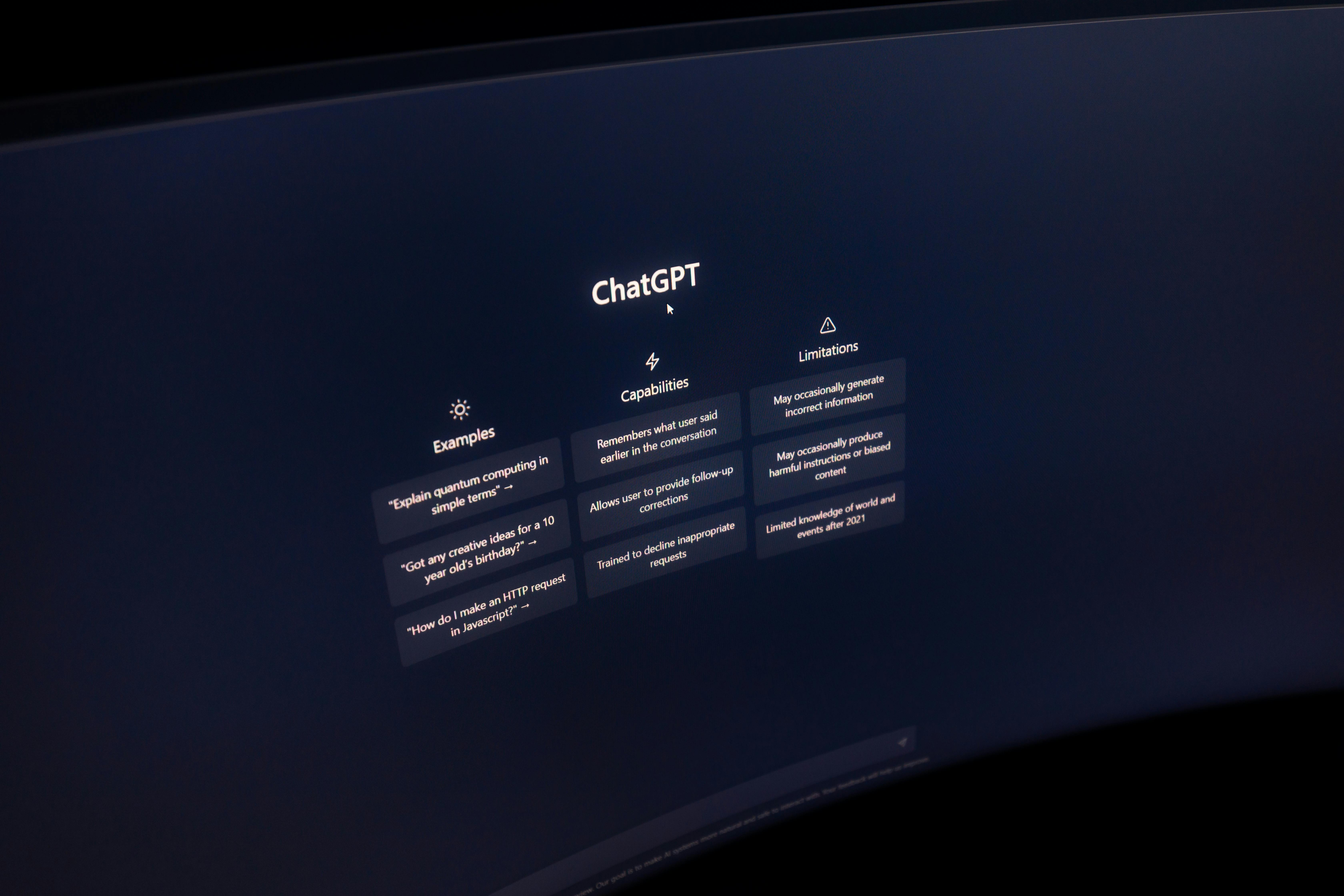
Most teams already use ChatGPT, Claude, or Copilot for this work. McKinsey reports that 71 percent of organisations regularly use generative AI in at least one business function. These tools draft faster, rephrase under deadline, and get a team past a blank page. That is real value.
But the failures above are not writing problems. A requirement nobody connected across four documents. An addendum that never reached the contractual lead. Two sections that contradicted each other. A validation nobody recorded. A knowledge base that was never built. A general chat tool drafts well and addresses none of these, because it only sees what you paste in, it forgets between sessions, it cannot track a version, it has no shared workspace, and it leaves no audit trail. It was built to generate text, not to govern a tender. We cover this distinction in more detail in why a general AI tool is not built for tender documents.
Purpose-built AI tender software is designed for the governing work a chat tool cannot do. The table below maps each failure point to the function that addresses it.
| Failure point | What closes it |
|---|---|
| A requirement nobody found | Reads the full document set at once and builds a searchable requirement register, every obligation linked to its source clause. See Requirements Management and Augmented Reading. |
| Contradictions found too late | Scans for conflicting and high-risk clauses on upload, so they surface early. See Criteria Detection. |
| A mid-tender change that breaks the offer | Detects every addendum, maps the sections each change affects, and routes updates to the right owners. |
| Gaps hiding in the handoffs | Gives every contributor one shared workspace with ownership at the requirement level. |
| Compliance you cannot prove | Links every validation to its source clause and version. |
| Knowledge lost after each project | Turns completed projects into reusable, structured knowledge. See the Aitenders platform. |
The drafting was never the hard part. The governance was.
A tender loss is rarely a writing failure. It is usually a requirement, a version, or a validation that the process around the writing failed to hold. Fixing the process is what makes the difference.
Aitenders is trusted by 150+ project teams at Veolia, Vinci, Equans, Eiffage, and Colas.
To see where your own tender documents carry risk, book a demo and bring a real document set.
Yes, for parts of the work. General AI tools are useful for drafting sections, summarising a document, rephrasing under deadline, and getting past a blank page. They are less suited to the work that decides compliance: extracting every requirement across a full document set, tracking addenda, controlling versions, coordinating several contributors, and keeping an audit trail. Most teams use general AI for drafting and a purpose-built platform for the governing work around it.
A generic AI tool works from whatever you paste into a single chat and forgets it afterward. A purpose-built tender and contract platform reads the entire document set, links each requirement to its source clause, tracks changes as the tender evolves, gives every contributor a shared workspace, and records who validated what and when. The first generates text. The second governs the tender process the text sits inside.
It depends on the model’s data handling. Public models often process content through infrastructure you do not control, with no guarantee that inputs are excluded from training or retention. For confidential pricing, penalty analysis, or contract terms, teams generally use a platform with data isolation and a clear data-processing agreement rather than a public consumer tool.
Only in part. Consumer AI tools cap how much you can upload at once, so a large tender with dozens of annexes cannot be analysed in a single pass, and requirements spread across documents are easy to miss. Purpose-built platforms are designed to read the full set together and connect requirements across files.
Most disqualifications are procedural rather than qualitative. A missing mandatory document, an unmet eligibility threshold, a wrong format, or an unanswered question gets a bid set aside before the technical response is scored. The work was sound; the requirement tracking failed.
Explore: Criteria Detection · Augmented Reading · Requirements Management

Aitenders is a SaaS platform designed to support teams working on tenders and contracts. It provides a structured, AI-powered workspace that helps teams analyze documents, collaborate efficiently, and manage their workflows with greater clarity and control. By centralizing information and guiding teams through key steps, Aitenders enables more accurate reviews, stronger submissions, and better decision-making throughout the tender and contract lifecycle.
Aitenders helps organizations scale their tender and contract activities more effectively by reducing manual work, improving knowledge reuse, and aligning teams around a single source of truth. This results in faster execution, improved quality, and fewer coordination issues across projects.

.svg)

.svg)